
Barwala, Haryana
Where North India's egg rate is born every morning
Every morning, before your local egg shop puts up its price board in Delhi, Chandigarh, Lucknow, or Jaipur, a number is already decided 750 kilometres away — in a dusty industrial town in Haryana called Barwala.
Most people have never heard of Barwala. It has no famous landmark, no tourist attraction, no mention in history books. What it has is over 700 registered poultry farms, a daily egg output exceeding 3 crore eggs, and a grip on North India's egg supply chain so tight that a disease outbreak, a feed shortage, or even a heatwave in Barwala will move egg rates across twelve states within 24 hours.
This is the story of how Barwala became North India's most important egg market — and why the Barwala egg rate today is the number that every egg trader, restaurant owner, and smart buyer in North India should be watching.
What is Barwala and Where is It?
Barwala is a town in Hisar district, Haryana — approximately 160km from Delhi via NH9. It sits in the fertile Ghaggar-Hakra river basin, surrounded by flat agricultural land that was, until the 1970s, primarily used for wheat and cotton farming.
The shift to poultry began in the 1980s when Haryana state government, following central agricultural diversification policy, offered subsidised loans to farmers willing to set up layer poultry units. The proximity to Delhi — North India's largest egg market — made the economics obvious. A farm in Barwala could get eggs to Delhi's Ghazipur egg market overnight, fresh and at lower transport cost than any other production cluster in the region.
By the 2000s, Barwala had become what it is today: a 50-square-kilometre belt of industrial poultry farms, feed mills, hatcheries, and egg-grading units — the undisputed egg capital of North India.
The Scale: 3 Crore Eggs Every Single Day
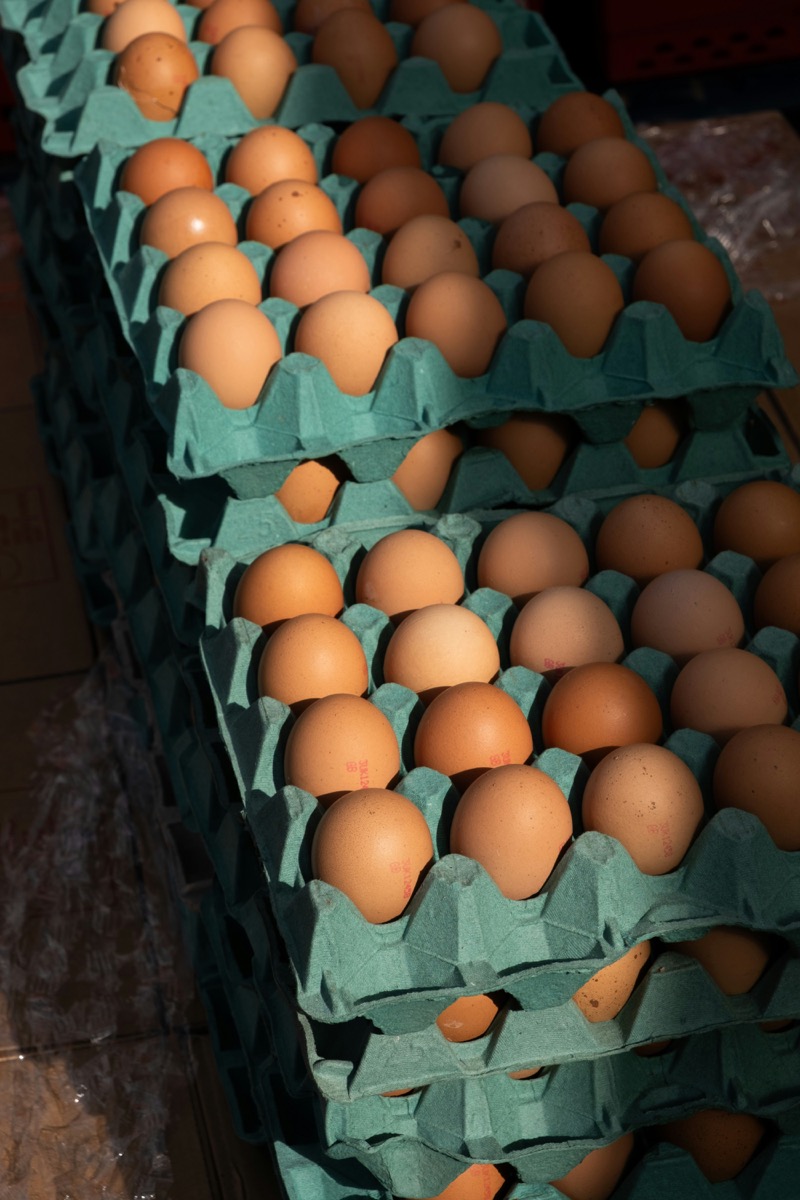
3 Crore Eggs Daily
Barwala's output that drives the NECC egg rate across North India
To understand Barwala's dominance, consider this: 3 crore eggs per day means approximately 1,095 crore eggs per year. That is enough to give every person in Delhi one egg per day — and still have millions left over for Chandigarh, Jaipur, Lucknow, and the rest of North India.
The Barwala cluster includes farms not just in the town itself but across the surrounding Hisar belt — Hansi, Tosham, Narnaul, and parts of Bhiwani district are all part of what egg traders call "the Barwala zone." When NECC and the egg trade reference the Barwala egg rate, they mean this entire production belt, not just the town limits.
3+ crore
Daily egg output
eggs produced
700+
Registered farms
layer units
4 crore+
Layer birds
active hens
12+
Cities supplied
North Indian cities
How the Barwala Egg Rate Today Is Set
The Barwala egg rate today is not set by a government body or a regulator. It is set by the market itself — specifically by the Barwala Egg and Poultry Market, the centralised wholesale auction that operates six days a week in the heart of the town.
Every evening, egg traders, commission agents, and farm representatives gather at the market. Buyers — typically distributors from Delhi's Ghazipur, Chandigarh's Sector 26 market, and Jaipur's wholesale mandis — announce their requirements and the quantity they are willing to purchase. Sellers state their availability and minimum price.
The clearing price that emerges from this negotiation becomes the Barwala egg ratefor that day, which is then reported to NECC. NECC uses this as the anchor rate for its North Zone egg rate announcement at 6:00 AM the next morning — the rate that all of North India's egg shops will display.
The entire process takes less than two hours. By 10 PM, trucks are loaded. By 3–4 AM, eggs are in Delhi. By 6 AM, the shop board reads the new NECC rate — a number that started its life the previous evening in Barwala.
The 24-Hour Rule: How Barwala Moves North India Egg Prices
Here is the most important thing egg buyers in North India need to understand: whatever happens in Barwala today will affect your city's egg rate tomorrow. This is the 24-hour rule.
- Feed price rises in Barwala (maize, soya) → Farm production costs go up → Barwala evening price increases → NECC North Zone rate rises → Delhi, Chandigarh, Lucknow rates all rise by 6 AM the next day.
- Barwala flock hit by disease or heat stress → Available egg supply drops → Fewer eggs reach the market → Price rises at the evening auction → All downstream cities see a rate hike within 24 hours.
- Excess rain floods Barwala roads (August–September) → Trucks cannot move freely → Supply bottleneck in Delhi → Egg rate spikes even if Barwala production is normal.
- Bumper production season (cool weather, good feed supply) → More eggs reach the market than buyers need → Evening auction clears at lower price → NECC North Zone rate falls → Cheap eggs in Delhi the next morning.
No other factor moves North India's egg rate as reliably and as quickly as conditions in Barwala. Understanding this is the edge that professional egg traders in Delhi's Ghazipur market use to make purchasing decisions — and it is freely available to anyone who follows the Barwala egg rate pattern.
Distance = Price: The Barwala Premium Table
The further a city is from Barwala, the more it pays for eggs. This is not a coincidence — it is a direct function of transport distance, diesel cost, and cold chain handling. Here is exactly how the Barwala production rate translates into city-level NECC rates across North India:
Barwala Egg Rate → City Price: Distance Premium
Every kilometre from Barwala adds to your city's NECC egg rate
Uttar Pradesh
610 km from Barwala
transport premium
Uttar Pradesh
900 km from Barwala
transport premium
Premiums are approximate averages. Actual rates vary by season and truck load. Source: NECC published rates, industry data.
This table explains something egg buyers often notice but rarely understand: why Lucknow egg rate is almost always higher than Delhi egg rate, which is almost always higher than the Barwala source price. The gap is not profit — it is physics and fuel.
For buyers in Agra or Jaipur, the Barwala premium is roughly ₹0.40–₹0.48 per egg. At 10 petis (1,000 eggs), that is ₹400–₹480 above production cost — purely for getting eggs from Haryana to Rajasthan.
Barwala vs Namakkal: India's Two Egg Giants

Delhi Egg Market — Ghazipur
Every egg here started its journey in Barwala 230km away
India has two undisputed egg production capitals: Barwala in Haryana for North India and Namakkal in Tamil Nadufor South India. Together, they supply over 60% of India's commercially traded eggs. But they are very different in character:
| Factor | Barwala (North) | Namakkal (South) |
|---|---|---|
| Daily output | 3+ crore eggs | 7+ crore eggs |
| Primary market | Delhi, Chandigarh, Lucknow | Chennai, Bangalore, Hyderabad |
| Climate | Extremes — hot summers, cold winters | Moderate — stable production |
| Feed sourcing | Punjab-Haryana grain belt (local) | Imports from Andhra, MP |
| NECC role | North Zone anchor rate | HQ and South Zone anchor rate |
| Seasonal volatility | High — wide summer-winter swing | Low — year-round stable |
| Export activity | Minimal | Middle East, Maldives, UAE |
The key difference is volatility. Namakkal's equable Tamil Nadu climate means consistent laying rates year-round, which is why South India's egg rate is more stable. Barwala operates in Haryana's climate extreme — 45°C summers that stress flocks and near-zero winters that spike demand. This makes the Barwala egg rate today more volatile and more reactive to seasonal shifts than Namakkal rates.
When Barwala Egg Rate Spikes — The Seasonal Pattern
Barwala Egg Rate — 12-Month Seasonal Pattern
Average NECC egg rate per egg (₹) at Barwala, Haryana · Peak months highlighted
The Barwala seasonal pattern is the mirror image of what most people expect from egg prices. Here is the full cycle:
April–June: The Barwala Low Season
Summer is the cheapest season for eggs across North India — and Barwala is the reason. When Haryana temperatures cross 40°C, three things happen simultaneously:
- Heat stress: Layer hens reduce laying by 15–25% as their bodies divert energy to cooling. Eggs that are laid tend to be smaller, with thinner shells — a quality issue that further depresses prices.
- Demand drop: Hotels, dhabas, and restaurants in Delhi and Chandigarh see lower footfall in summer heat. Institutional egg demand falls 20–30% from peak.
- Spoilage risk: Without adequate cold chain, eggs perish faster in summer. This discourages bulk stocking and pushes buyers toward smaller, more frequent purchases — reducing bulk premiums.
The result: Barwala egg rate in May–June hits its yearly low— typically ₹0.80–₹1.20 per egg below the December peak. For a buyer purchasing 50 petis a week, that's a ₹4,000–₹6,000 weekly saving.
October–January: The Peak Rate Season
Autumn and winter are when the Barwala egg rate today reaches its highest point. The mechanism is the reverse of summer:
- Cold weather demand: North India's cold winters (Delhi regularly hits 5–8°C, Chandigarh drops lower) drive one of the most consistent demand spikes in the Indian egg market. Egg consumption in North Indian homes rises 40–60% in winter — anda bhurji, boiled eggs, and egg-based curries replace salads and lighter summer food.
- Festive season stacking: Navratri (September–October), Dussehra (October), Diwali (October–November), and the wedding season (October–February) create consecutive demand waves that prevent any rate correction.
- Dhaba and street food surge: North India's roadside dhaba and egg stall culture explodes in winter. The iconic "anda garam" stalls that appear on every corner of Delhi and Chandigarh in November–February are a meaningful demand driver that South Indian cities simply do not have an equivalent of.
December is consistently the highest month for the Barwala egg rate — the festive demand, winter surge, and bakery cake season all land simultaneously, pushing rates to their yearly peak.
What Makes Barwala an Unbreakable Production Hub
Barwala has maintained its dominance over North India's egg supply for 40+ years, and its position is not easy to challenge. Here is why:
- Feed proximity: Haryana and Punjab are India's grain belt. Maize and soya — which account for 65–70% of layer feed costs — are grown within 200km of Barwala farms. This is a structural cost advantage no production hub in eastern or central India can replicate.
- NH9 connectivity: National Highway 9 (Delhi-Hisar corridor) runs directly through Barwala, giving trucks direct, uninterrupted access to Delhi's Ghazipur market. No major railway crossing, no state border checkpost — just a straight 4-lane highway.
- Established cold chain: Decades of investment have created a robust cold chain ecosystem in Barwala — refrigerated trucks, grading machines, egg-washing units, and packing facilities that smaller clusters cannot match in quality or speed.
- Farmer expertise: Third-generation poultry farmers operate many Barwala farms. Their knowledge of disease management, flock genetics, and feed optimisation — passed down through family practice — produces consistently lower mortality rates and higher laying efficiency than new entrants elsewhere.
- NECC representation: Barwala farmers have historically had strong representation in NECC's North Zone committee, which means rate announcements genuinely reflect Barwala's production economics. This is not the case in all regions — some NECC rates are set based on more limited data.
How to Track Barwala Egg Rate Daily — What to Watch
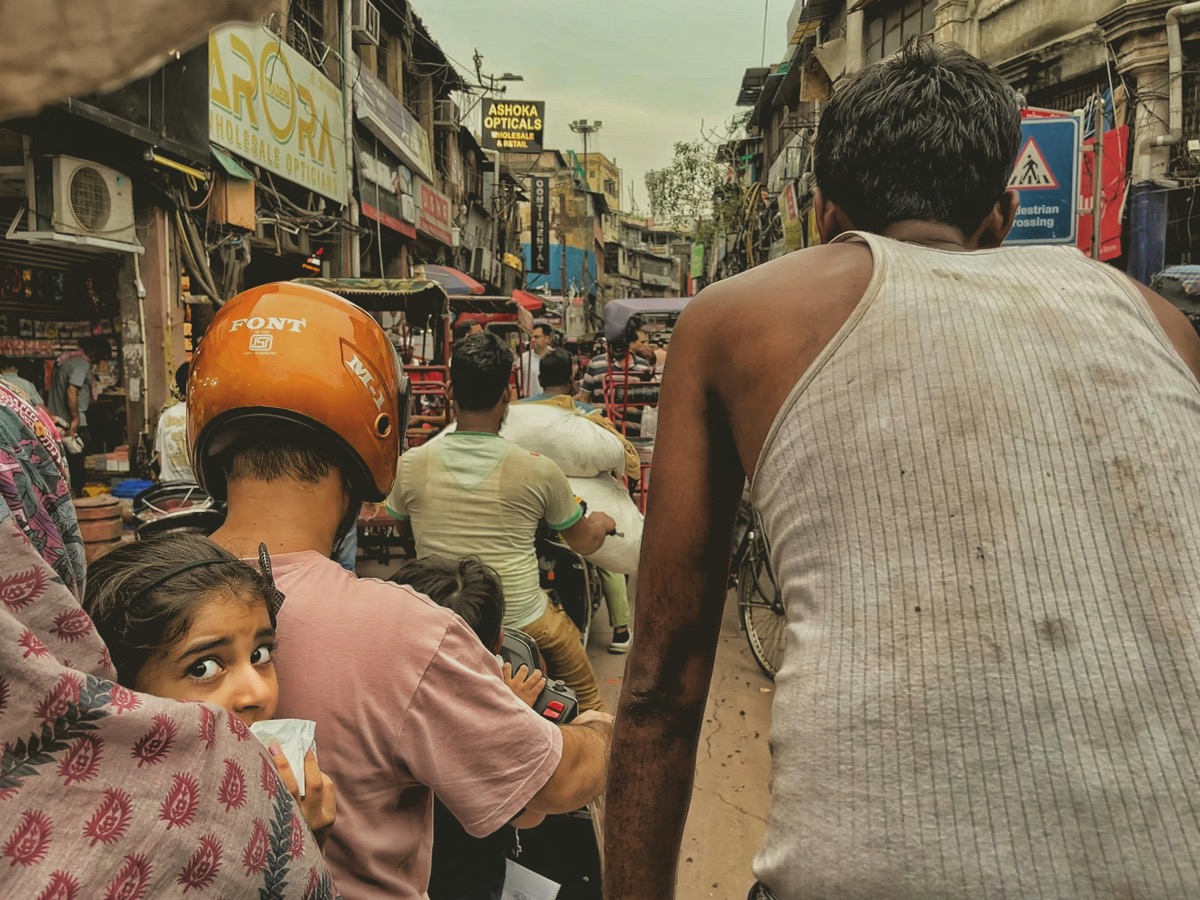
Barwala → Delhi: Every Night
Trucks leave by 11 PM, eggs in Ghazipur by 4 AM
NECC does not publish a standalone "Barwala rate" on its website — it publishes the North Zone rate for consuming cities like Delhi and Chandigarh. To track Barwala's true production rate, egg traders use two proxies:
- Delhi egg rate minus ₹0.25–₹0.35 = approximate Barwala source rate. The spread represents the typical Delhi transport premium. When this spread widens, it signals logistics disruption. When it narrows, it signals tight demand in Delhi even at source prices.
- Chandigarh egg rate minus ₹0.20–₹0.25 = another proxy, useful for cross-checking. Chandigarh is closer to Barwala than Delhi, so its premium is lower.
You can track both on EggRates.in: Delhi egg rate today and Chandigarh egg rate today are updated daily at 6 AM IST.
Four Signals That Barwala Rate Will Rise
- Maize price jump in Punjab-Haryana mandis: When mandi prices for maize cross ₹2,200/quintal, Barwala farm feed costs rise sharply. Egg rates typically follow within 3–5 days.
- Heat wave advisory for Haryana: IMD heat wave alerts for Haryana in April–June are a leading indicator of supply stress. Rates may actually fall initially (farmers liquidate faster) but then rise sharply once the stressed flush passes.
- Festival calendar approaching: The 3-week window before Dussehra, Diwali, and winter onset (November) is consistently the most aggressive rate period of the year.
- Any disease outbreak news from Haryana: Avian flu or Newcastle disease news from Haryana is an immediate buy signal for buyers who can stock up before the supply contraction hits the market.
The Barwala Effect on Delhi, Chandigarh and Lucknow — City by City
Delhi Egg Rate — The Biggest Barwala Consumer
Delhi is Barwala's largest single buyer. The egg rate today in Delhi is the most watched NECC number in North India — and it is entirely a function of what happened in Barwala the previous evening. Delhi's Ghazipur Murga Mandi, the city's primary egg and poultry wholesale market, receives the bulk of its daily supply from Barwala trucks that depart between 10 PM and midnight. No Barwala delivery means Delhi's egg rate spikes by 8 AM.
Chandigarh Egg Rate — Closest to Barwala
At 180km, Chandigarh is the closest major city to Barwala — which is why it usually has the lowest rate after the source price. When the spread between Chandigarh and Delhi egg rates widens beyond ₹0.10, it typically signals a Delhi-specific demand surge rather than a Barwala supply issue. Chandigarh is the most sensitive barometer of pure Barwala production conditions.
Lucknow Egg Rate — The Long-Haul Premium
Lucknow sits 750km from Barwala — the farthest major consuming city in the Barwala supply orbit. The egg rate in Lucknow today carries a ₹0.65–₹0.75 premium over Barwala source price. Because of this distance, Lucknow is also the city that feels supply disruptions last — and longest. A Barwala shortage that hits Delhi in 24 hours might take 36–48 hours to show up in Lucknow egg prices.
Lucknow is also increasingly supplied by Uttar Pradesh's emerging poultry clusters — particularly around Bareilly and Kanpur. As UP's own production grows, Lucknow's dependence on Barwala may reduce. But for now, the Barwala egg rate today is still the dominant driver of what Lucknow pays tomorrow.
Barwala in 2026 — What's Changing
The Barwala egg market is not static. Several structural shifts are underway that will affect the Barwala egg rateand North India's supply dynamics over the next 5 years:
- Scale-up of cage-free housing: Following FSSAI guidelines on cage-free eggs, larger Barwala farms are investing in aviary housing systems. This raises production cost by 15–20% per egg but enables premium pricing for modern retail and export channels.
- UP and Rajasthan competition: State governments in Uttar Pradesh and Rajasthan have launched poultry development programs, attracting investment into new layer farms. If these clusters mature over the next decade, they will reduce Barwala's monopoly on North India supply — and potentially narrow the ₹0.65–₹0.75 Lucknow premium.
- Direct farm-to-retail contracts: Large supermarket chains (Reliance Fresh, BigBasket, D-Mart) are increasingly sourcing eggs directly from Barwala farms on 30–90 day fixed contracts. This bypasses the Ghazipur mandi and reduces the price discovery that drives the daily NECC rate. As more volume moves off-market, the published NECC rate may become a less accurate signal of actual market clearing prices.
- Climate volatility: Extreme heat events in Haryana are becoming more frequent and more severe. The summer 2024 heat wave in Haryana (temperatures exceeding 48°C in some districts) caused significant flock mortality across Barwala farms. As climate risk increases, the Barwala rate's summer low may become less predictable — volatility could increase year-round, not just seasonally.
How to Use the Barwala Egg Rate to Buy Smart
Whether you are a restaurant buying 20 petis a week, a caterer planning a wedding, or a family stocking up for winter — here is a practical buying strategy built around the Barwala seasonal pattern:
- May–June bulk buy: The Barwala summer low is the most reliable cheap egg window of the year. If you have cold storage, buying in bulk in late May and holding through July can save ₹0.70–₹1.00 per egg compared to October–December rates. At 1,000 eggs (10 petis), that is ₹700–₹1,000 saved.
- Avoid October–November buying pressure: Everyone in North India stocks up simultaneously as winter and festivals converge. The demand spike is predictable and prices peak as a result. If you can front-run this by buying in late September, you will typically get pre-spike rates.
- Watch the Delhi egg rate spread: If the Delhi egg rate and Chandigarh egg rate suddenly diverge by more than ₹0.15 (when they are normally ₹0.05–₹0.10 apart), it signals something unusual happening either in Barwala production or in Delhi retail demand. Investigate before buying large quantities.
- Festival pre-buying window: The 10-day window before Diwali and 14-day window before Christmas are when Barwala trucks carry maximum load. Buying just before this window — 3 weeks before Diwali, 3 weeks before Christmas — typically catches rates before the final surge.
The Bottom Line: Barwala Is the Price Maker
The egg rate in Delhi, Chandigarh, Lucknow, Jaipur, and Agra all trace back to a single source: what happened at the Barwala egg auction the previous evening. Understanding Barwala — its scale, its seasonal patterns, its supply chain mechanics — gives you a framework to anticipate rate movements before they show up in your city's NECC announcement.
In egg markets, the buyer who understands the production source is always better positioned than the buyer who just reads the morning price board. Now you understand the source.
Track today's egg rate in your city and watch how it moves with Barwala: Delhi egg rate today · Chandigarh egg rate today · Lucknow egg rate today · Jaipur egg rate today